

When A Game Changes Its Tune
Everhood matters and so do you

These posts are posted in a creative writing format. The best way to consume them is on a desktop, as mobile view may distort the initial storytelling present in the formatting.
To not disturb the flow with an annoying subscribe button in the bulk of the creative formatting, I am going to put that button here. If this vibes with you, consider subscribing. :)
Everhood played me like a song—especially when halfway through, the chorus turned into a confession.
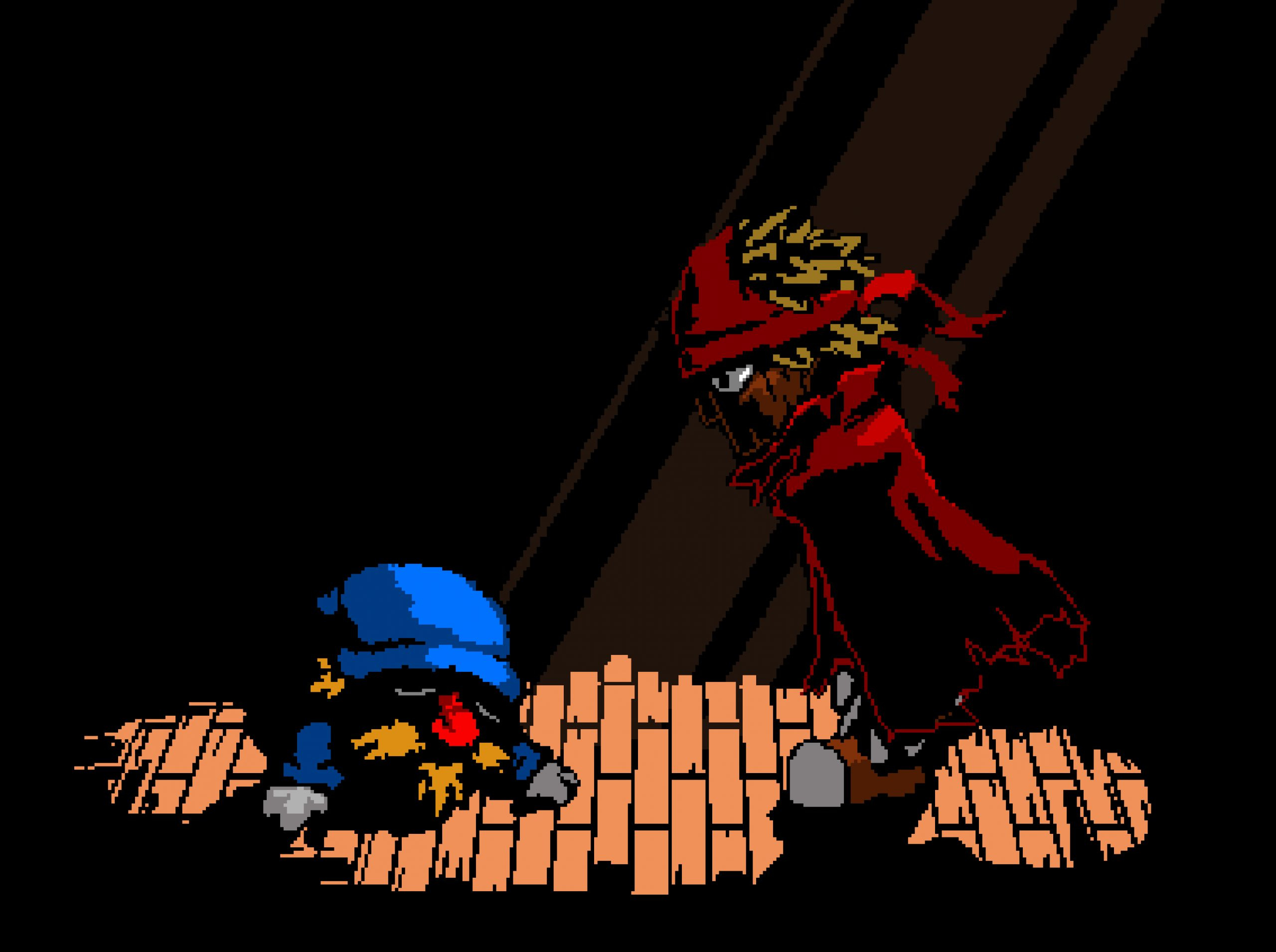
In Everhood, you dodge neon bars, breath syncing to the BPM, all while chasing a stolen arm like it’s a righteous quest—but then the mask slips.
Turns out that aren’t playing the hero;
      Red’s a puppet with a blade for a limb,
           and the “villain” pig was the only one keeping the beat from becoming a dirge.
Suddenly the tracks you survived become funeral marches for friends, and the inputs you’ve mastered feel like complicity.
Everhood doesn’t twist for shock value; it rewires muscle memory, turning victory into a question you can’t parry.
What if goodness isn’t a rulebook but a rhythm—love of God and neighbor as tempo—and the bravest move is refusing the game’s prompt to strike?
Everhood lingers because it makes harm feel mechanically satisfying, then asks who you are when the music stops.
I finished it less certain of my righteousness and more attentive to what my hands do on instinct—was what I did the wrong thing or the right one?
Fortunately, we have lots of time to figure it out, since it never ends in Everhood.