

When A Game Captures A Moment In Time
Despelote matters and so do you

These posts are posted in a creative writing format. The best way to consume them is on a desktop, as mobile view may distort the initial storytelling present in the formatting.
To not disturb the flow with an annoying subscribe button in the bulk of the creative formatting, I am going to put that button here. If this vibes with you, consider subscribing. :)
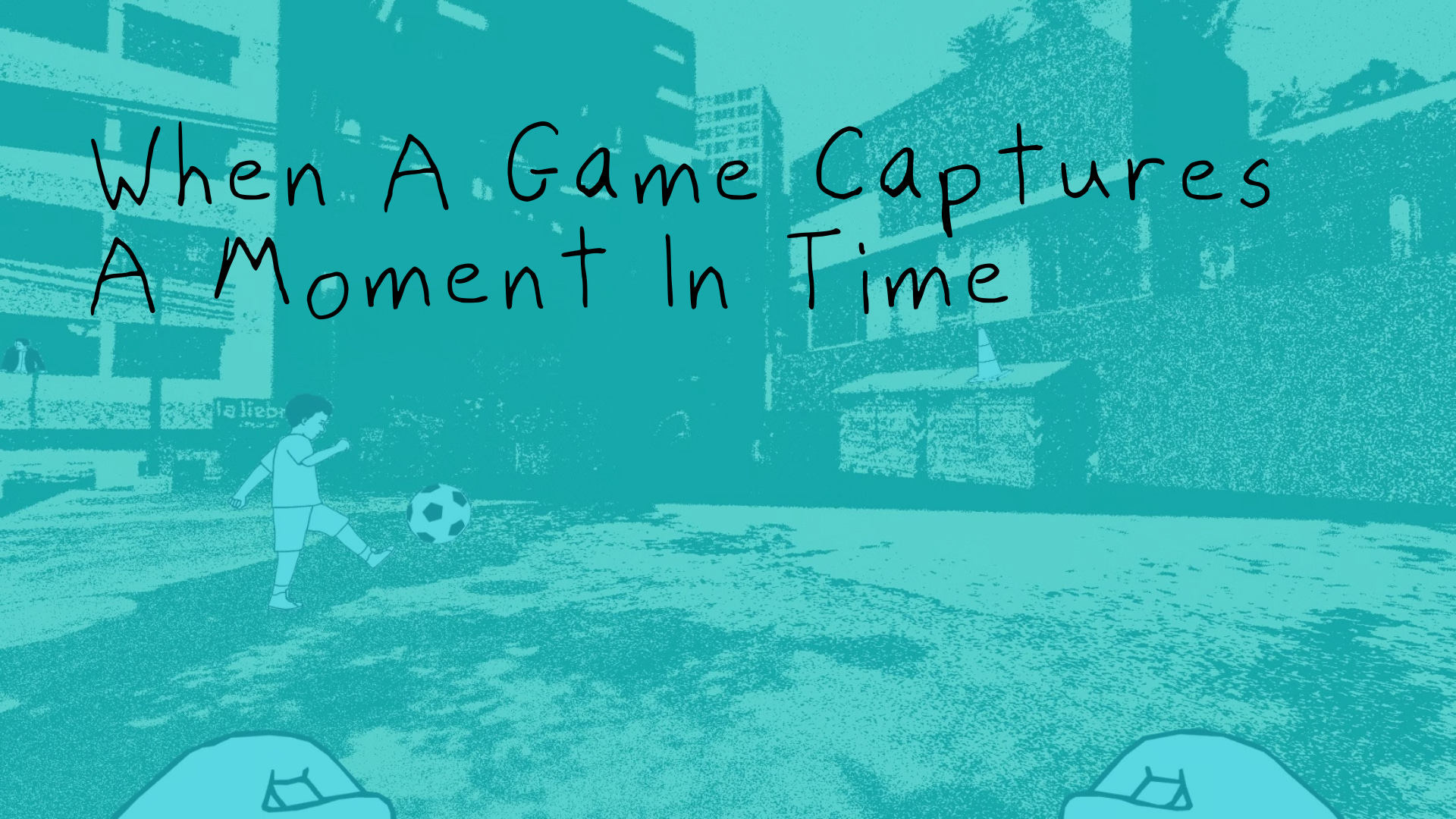
Despelote is the sound of a nation changing,
heard through a scuffed soccer ball on concrete.
What struck me most about Despelote is how small it’s willing to be.
This is a game about Ecuador chasing the World Cup,
but you never sit in a boardroom or a locker room speech—
you’re just a kid,
     bouncing a ball off walls,
          annoying adults,
               weaving through markets,
                    hearing the country hum in the background.
The politics and pressure live in overheard conversations, in the way grown-ups talk when they think the kids aren’t listening.
It’s not a story about soccer so much as a story about the way a ball gives shape to a childhood, and how a childhood gives shape to a country’s memory.
The kids feel gloriously real: sweet, chaotic, occasionally mean, spinning entire worlds out of nothing on the walk home.
The art leans into that feeling—soft edges, grounded textures, a world that looks less like a photograph and more like a remembered afternoon.
In under two hours, Despelote never wastes your time or your trust.
It doesn’t lecture, it doesn’t grandstand; it just lets you be there long enough for the quiet to sink in.
By the time the credits roll, it doesn’t feel like you played some big “issue game.”
It feels like you briefly lived in someone else’s neighborhood,
and walked away with the strange, holy realization that
their ordinary life matters
                                  just as much as yours.