

When A Game Brings Up Old Wounds
Until Then matters and so do you

These posts are posted in a creative writing format. The best way to consume them is on a desktop, as mobile view may distort the initial storytelling present in the formatting.
To not disturb the flow with an annoying subscribe button in the bulk of the creative formatting, I am going to put that button here. If this vibes with you, consider subscribing. :)
The best video games don’t just tell you a story, they hand you a mirror, and Until Then is one of those.
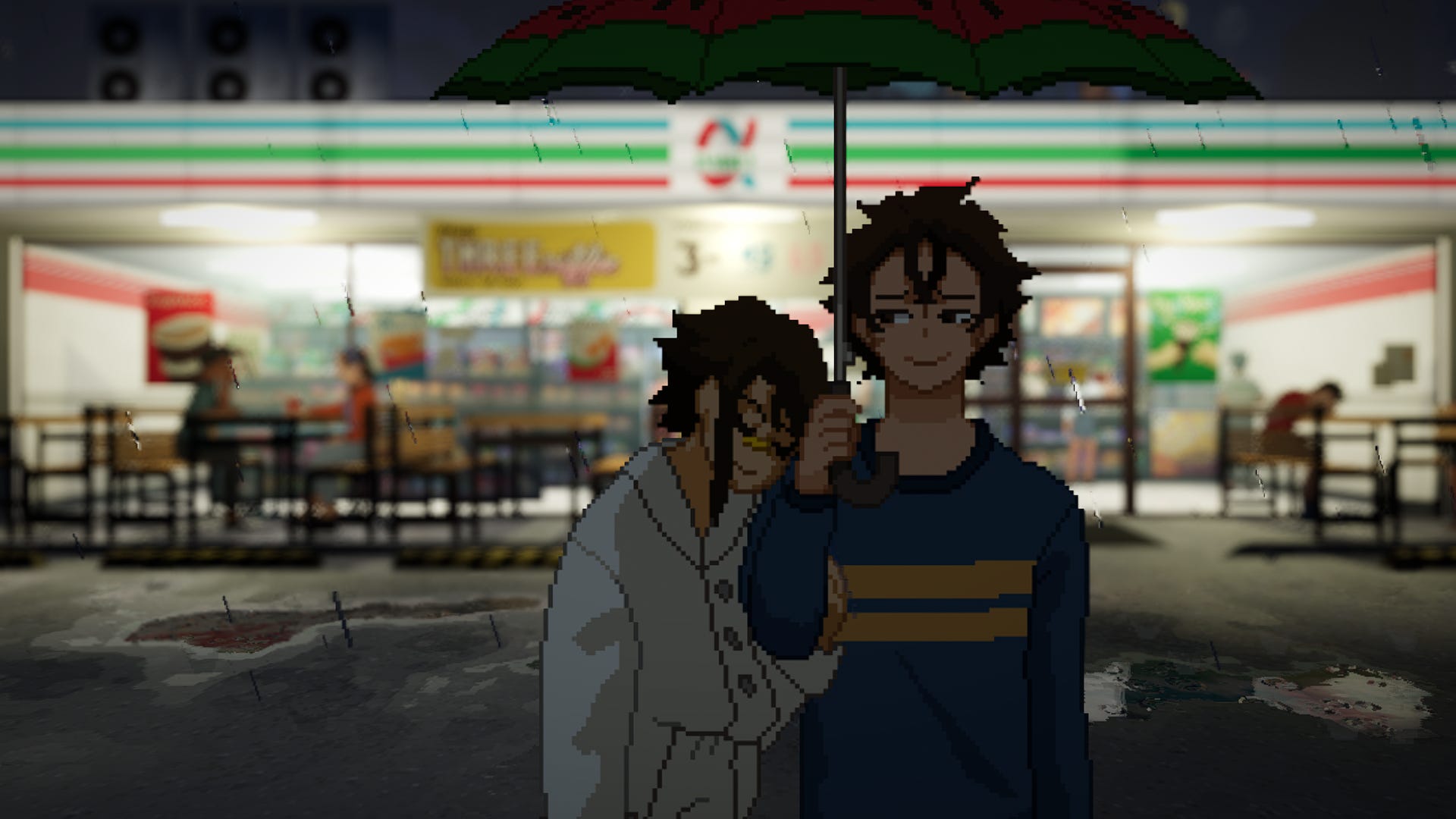
The coming-of-age story is one of my very favorites.
I find myself seeking out any story that I can that might bring me back to a childhood that I long for every day… one that I see reflected in the starlight of my daughters’ eyes.
I think this is why I seek out the Games for Impact category of The Game Awards so fervently.
Considering this, Until Then was a logical pick one that I had to experience.
But what I wasn’t ready for was that it didn’t let me off the hook of just “kids doing kid things” and making kid mistakes.
It does begin humdrum enough.
Our protagonist is cramming for school, doomscrolling on his phone, fumbling through piano lessons, surrounded by friends—both good and not so good.
But the deeper that you dive, the more you begin to realize that everything is not okay.
Beneath the surface beats a story.
     about time loops,
          about guilt, regret, selfishness,
                the cost of burying things too deep.
What Until Then does so well is that it refuses to let you hide.
It insists that being human means making mistakes, sometimes deeply selfish ones, and then learning that burying doesn’t erase them. They just wait for you.
And then woven into all of that heaviness there’s a certain kind of grace, the possibility of closure, of listening, of choosing again, but better this time.
That’s why it hit me so hard. Because beneath the time loops and the heartbreak, the game is asking the same question that all of us are.
Can we really change even after everything?