

My Top 10 Games of 2025
Games Matter, but these hit hardest

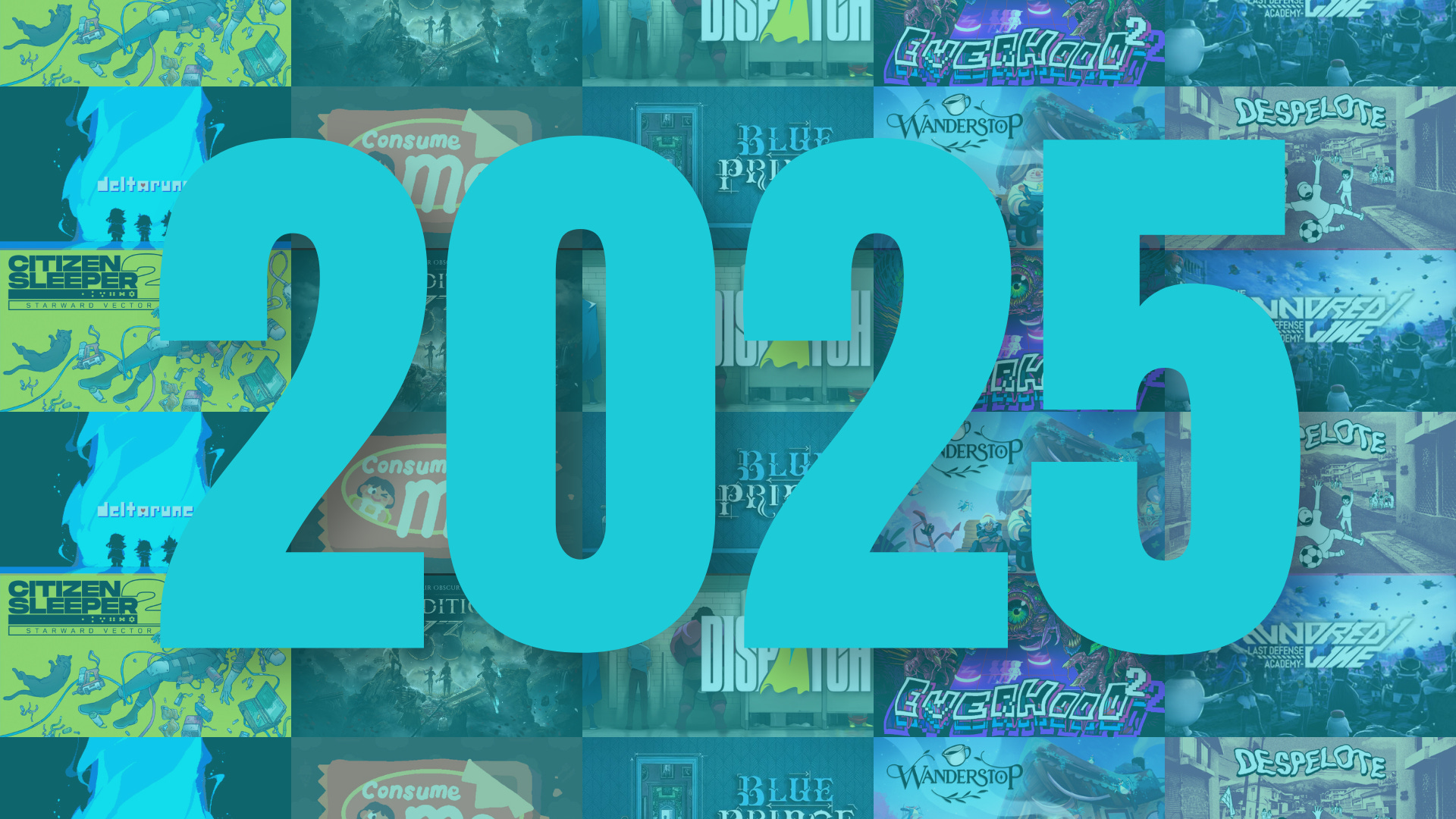
In 2025, I played 83 games released that year.
Of these 83:
30 were demos
40 were completed
10 were either DNF’ed or don’t have a traditional ending
An interesting component of this year has been a constant discussion on the worth of games. I suppose this isn’t dramatically different from any year, but this feels like the first year where we’ve introduced AI into the equation of perceived value.
In the lineup of my top ten games, which will soon follow, there has been much debate over where or not episodic games should be considered (Dispatch), whether turn-based games should still be relevant (Clair Obscur), or whether games should have goals (Wanderstop), or whether or not we should consider a game-in-progress (Deltarune).
This has been a source of some hesitation for me in even creating a ‘top ten’ list on a space called Games That Matter. Is the implication that these are the ten that matter the most?
Eventually, I got tired of thinking about it. I decided that lists shouldn’t be taken too seriously and that most people aren’t reading the text in this portion of the thing anyway, and that most will comb through the list, nod their heads in approval or disgust, and then move on with their day.
If you’re someone who actually reads this part and cares to know my actual thoughts or the order of the games I played this year, I always create a ranked list of games on my Backloggd that I roll credits on. You can find that here, if you’re curious. It’s not just games from 2025, but it should give you an idea of what I’m working with here. Also, if you’re actually reading, I think you should consider subscribing. I like writing for people who actually want to read this part.
So, in alphabetical order to avoid overthinking the order, here are the top ten games from 2025 that I played during the year 2025.
Blue Prince
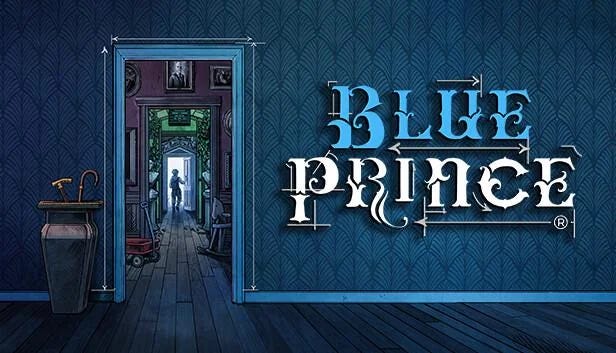
Blue Prince is that kind of puzzle game that makes you feel both brilliant and deeply humbled in the span of ten minutes—every run is you trying to outsmart a house that’s clearly been outsmarting people for years. It’s eerie, elegant, and obsessively replayable, turning “just one more room” into a whole spiritual discipline of curiosity, patience, and learning to live with what you don’t know yet.
The thing that I can never seem to quite put into words with this game is that I’ve never really played anything else like it. It perfectly captures elements of so many of its inspirations. It’s a masterful mystery that keeps offering breadcrumbs. The puzzle is all once tactile, memorable, and infinitely repeatable. There is a faux ending to the game that allows players to feel accomplished, but still tap out if they’ve had their fill. Artistically, it feels fully fleshed out without being overwhelming, since you’ll be staring at it for a while.
Truthfully, I think it’s a marvel of a game and arguably the best puzzle game ever made. It feels like the quintessential note-taking game—and I mean that in the best way.
Citizen Sleeper 2: Starward Vector
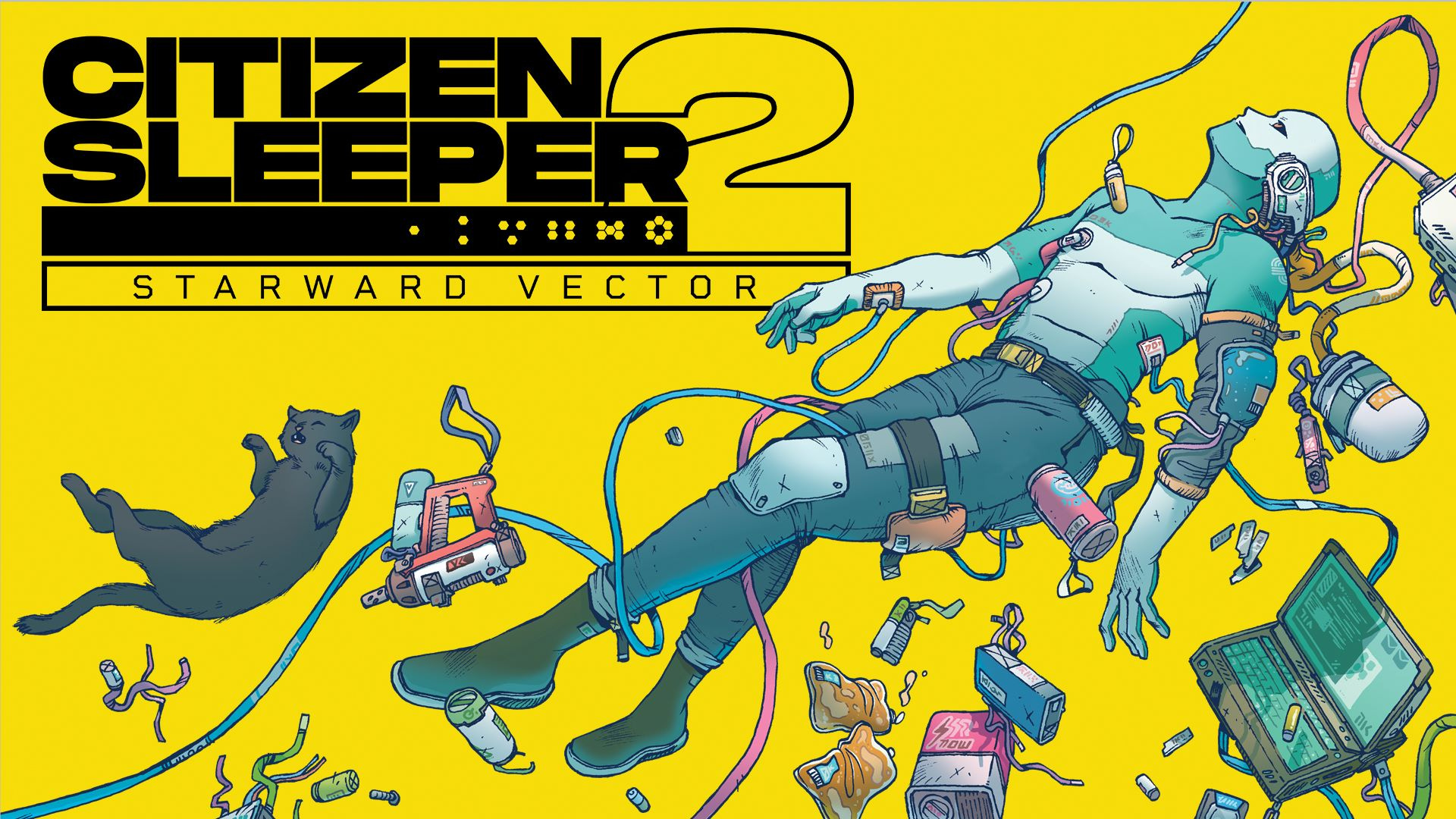
Citizen Sleeper 2: Starward Vector takes everything that worked about the first game—dice-driven tension, quiet desperation, chosen-family warmth—and throws it into a wider, messier galaxy where every job feels like a risk. It’s still all about scraping by with your body and your time on the line, but now the horizon is bigger, the stakes are sharper, and the hope hits harder because you keep choosing it anyway.
I honestly believe that Gareth is the best games-writer that we have. I’m not sure what they do so correctly, but the way that characters speak and settings are described—it’s just flawless. For instance, they made a Substack that led up to the release of this game, and the writing was so good that it felt like the Substack itself wasn’t just marketing, but a fully realized episode in the adventure. That kind of thoughtful care is something we need more of, in my opinion.
Clair Obscur: Expedition 33
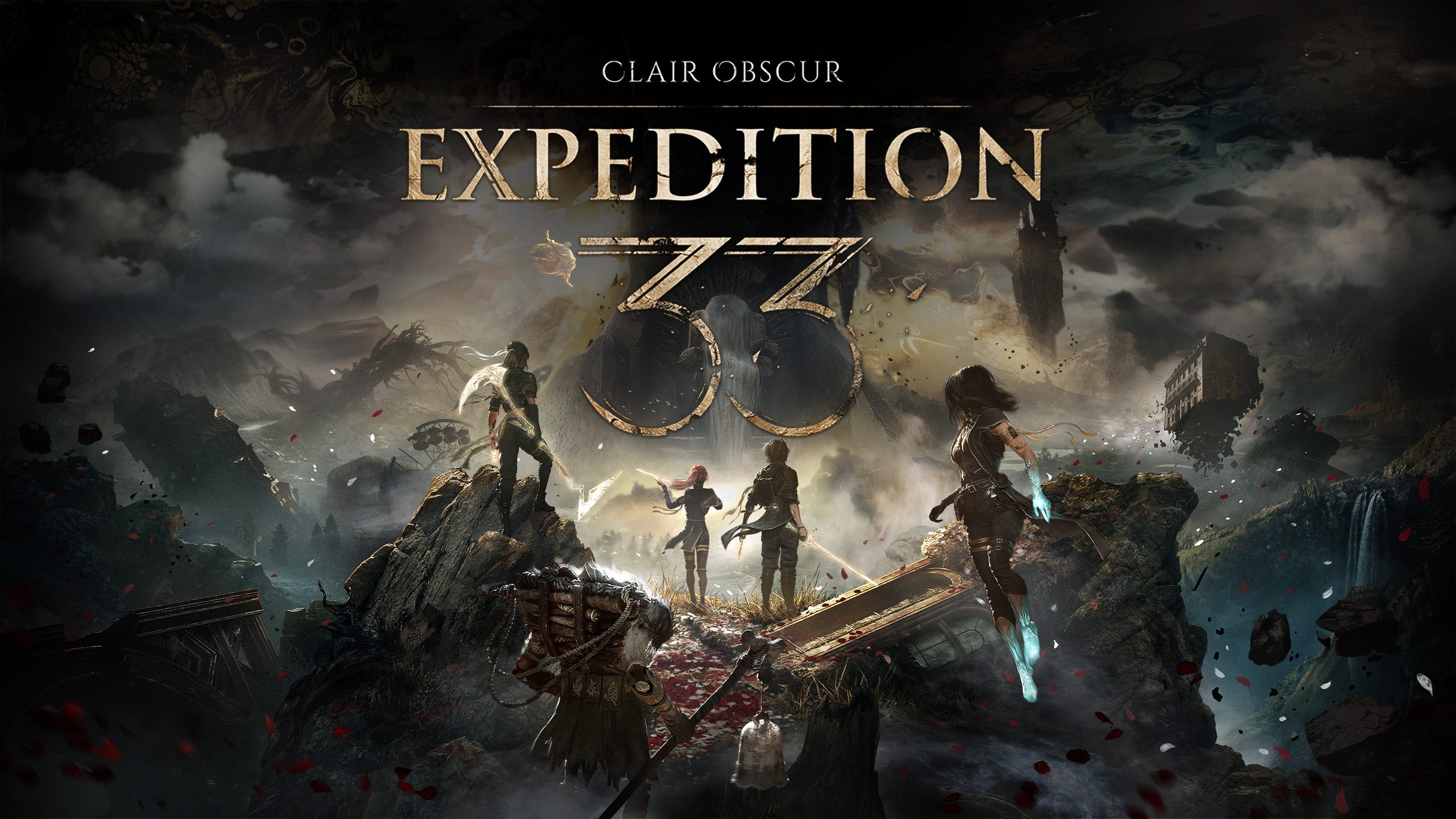
Clair Obscur: Expedition 33 looks like a gorgeous dream painted in grief—turn-based combat with real bite, wrapped in a world that feels like it’s dissolving in front of you on purpose. It’s the kind of fantasy where every victory tastes a little like loss, and the whole expedition feels like a stubborn act of love: keep moving, keep remembering, keep fighting for a tomorrow that might not be promised.
I admit I have mixed opinions on this game, but I am trying to stay as positive as possible in this post. One of the kindest things I can perhaps offer this game and its creative team is that I went on a deep dive trying to discover if Esquie and Monoco were some form of traditional French lore elements. The way these two characters were so fleshed out felt like the very best of ancient creature design. To be able to whip up a character as iconic as one made by Homer or Ovid is quite an accomplishment.
Consume Me
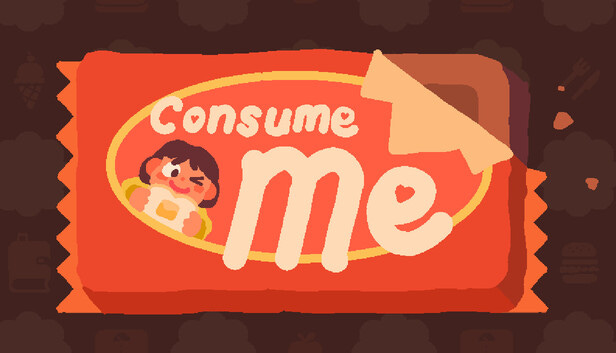
Consume Me is a love letter that is only sort of lovely. A game developer spent 10 years crafting a game about their life, captured in silly minigames and chaos. But what I found most captivating was how it never passed a guilty conscience onto the player.
As the title implies, this is a game that begins with a focus on disordered eating. But it doesn’t really ever dwell there. It’s also a game about anxiety, but—again—it never truly dwells there. All of the rich themes: school life, migrant families, angsty relationships, college, and, yes, even religion; they are all presented as a form of autobiography that invites the player into them for exploration, but never insists they are more than the capturing of a moment.
Many games present religion in a negative light, but Consume Me poignantly pokes fun at the megachurch-ification outreach to college kids without really being mean about it or cruel in a rebuke. I’m not sure I’ve ever really experienced a story that quite so perfectly captures the concept of ‘not punching down.’
Deltarune, Ch 3 & 4
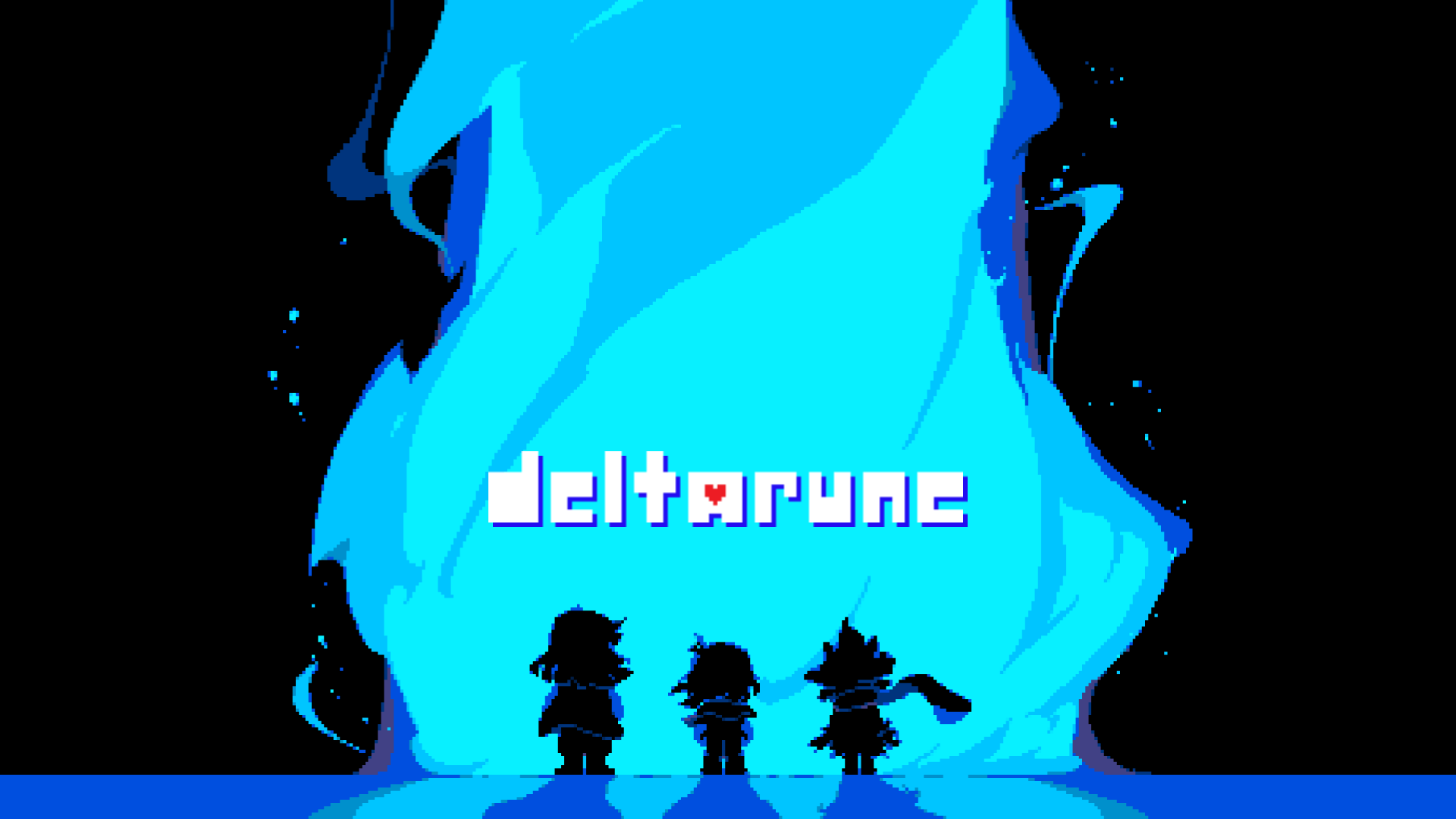
What is there to say about Deltarune? Undertale has long been in my top five video games ever made, so it’s almost impossible to try to capture the importance of a game like this one to me.
But here’s why Toby Fox, the game developer, managed to pull one over on me yet again. In chapter 1, we explore the dark world equivalent of games. In chapter 2, we explore the dark world equivalent of the Internet. In chapter 3, we explore the dark world equivalent of television.
So, it makes sense that chapter 4 would explore another digital-age 90s-kid element of everyday life, right?
Bzzt. Wrong. Toby says, “We going to church.” The entirety of chapter 4 explores my literal profession. What more is there to say? It’s the developer of one of the most important games to me talking about what I am quite literally a professional at talking about. Match made in heaven.
Despelote
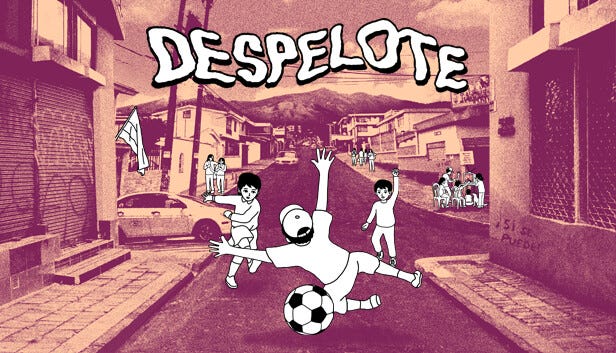
The funniest part of Despelote is trying to describe it to someone. Is this a game about soccer? Yes. But is it a soccer game? Oh, not at all. This is a game about an Ecuadoran childhood, but also about every childhood. Every time I try to sum up one thing that this game is actually about, I realize that there is a hyper-attentive nature to this game: it’s very much about a specific thing, but also about everything.
Dispatch
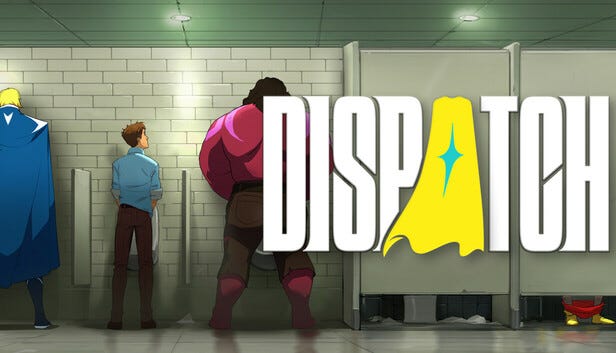
Dispatch is an interesting one. There is no reason that this game should have worked for me. I’m pretty fair over superhero tropes at this point. And I have no nostalgia for the Telltale era of gaming; it missed me entirely.
But for whatever reason, this game just clicked. The characters, the writing, the voice-acting—even the simulator elements where I was a dispatcher; all of these various elements were exactly what I needed at the time. Even the lacking romance was enough to satisfy my taste, which I credit to the immensely talented actors.
I can only hope we get more adventures in this world, because I’m here for it. Heck— I’d even go for a roguelike dispatching DLC.
Everhood 2
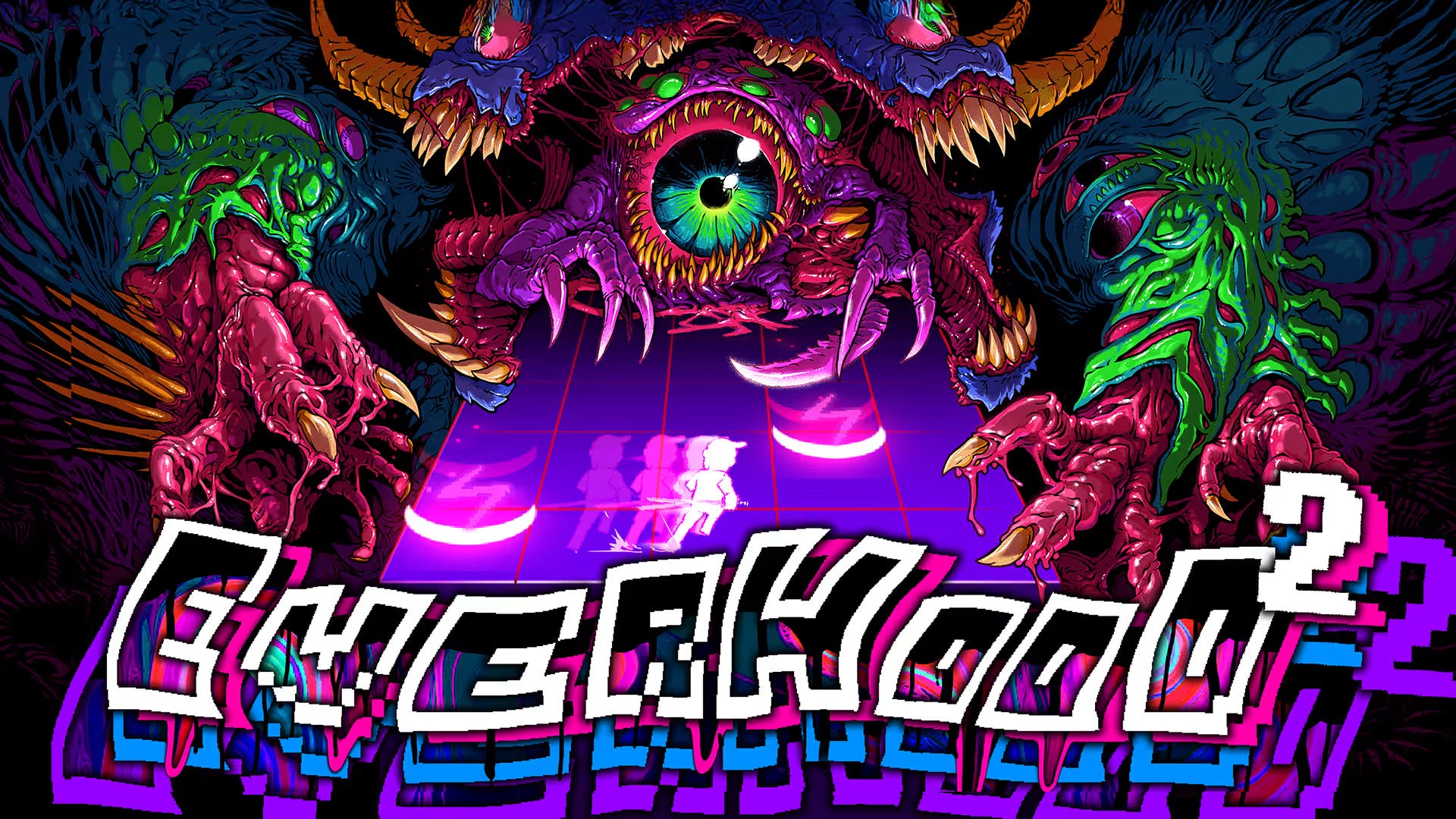
Everhood 2 didn’t work for many fans of the first entry. I am a diehard fan of the original game and personally found the story it was presenting to be exceptional. Plus—the music. I love the soundtrack and style behind these games. While I acknowledge that there is a fair bit of criticism (they probably shouldn’t have messed with the first game at all) of how this game presented itself, I think Everhood 2 was given a harsher sentence than it deserved. One accusation that absolutely cannot be lobbed at this team is that they didn’t absolutely go for it. This game was a bold swing for the fences, and it’s really up to the eye of the beholder whether it was a foul ball or a home run.
The thing that seemed to whiff the most for fans of the former game was the lack of closure in this sequel, and it was, ironically enough, exactly that reaction that made me love this game. An adequate exploration of absurdism and nihilism is one that shocks the system. We shouldn’t be able to empathize with the violence of Clockwork Orange. Meursault is meant to be revolting in the way his apathy builds tension in The Stranger. Good absurdist art isn’t really supposed to be appealing.
The Hundred Line: Last Defense Academy
I could say a lot of things about this game. But there is one point that stands above the rest:
You cannot convince me that this isn’t a narrative achievement leagues better than most narrative award winners in any year of gaming, not just 2025.
Kodaka and Uchikoshi are two developers I have so much admiration for as creators; that’s no mystery. But this is truly magnum opus-level commitment—Uchikoshi wrote 100 different endings for a visual novel. Even by the standards of Umineko and Fata Morgana, this is a testament to a narrative that deserves so much more recognition than it’s getting.
Wanderstop
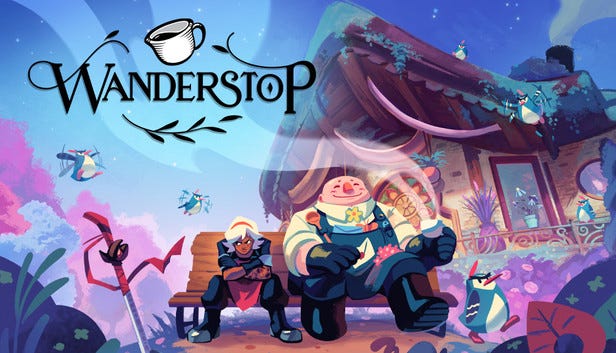
I think I first played The Stanley Parable in 2013, when it was released standalone and was pushed by many of the Let's Play channels that I watched.
Admittedly, I found it funny, finished it, and then moved on.
If you’d told me then that over ten years later, I’d be actively experiencing a transcendental breakdown of the risks and processing of burnout and hustle culture in a game by the same guy—I’m not sure I’d have believed you. If you told me that it would happen twice when I played through The Beginner’s Guide in a single sitting, I don’t know what I’d have done.
Davey Wreden is a mind that impresses to no end. His vulnerability in games like these is astonishing. He is so willing to lay on the table exactly how it feels to not feel okay, and then gives us permission to work through it with him. Wanderstop has had plenty of fingers pointed at it being ‘not enough of a game,’ but I don’t see how anyone who has experienced real struggles in life can’t at least be moved to feel something in the verbs of play in this experience.
So that’s it. Ten games. Were they your favorites? Did you add any of these to your list after reading my thoughts?
I don’t expect I’ll do many of this type of post on this Substack, but it felt right to offer this one up. I hope you enjoyed it!
Remember,
Video games matter
And so do you
Did any of these make it to your wishlist after this post? 😉